
Auckland Airport in 2025: A Year of Movement, Milestones and New Possibilities
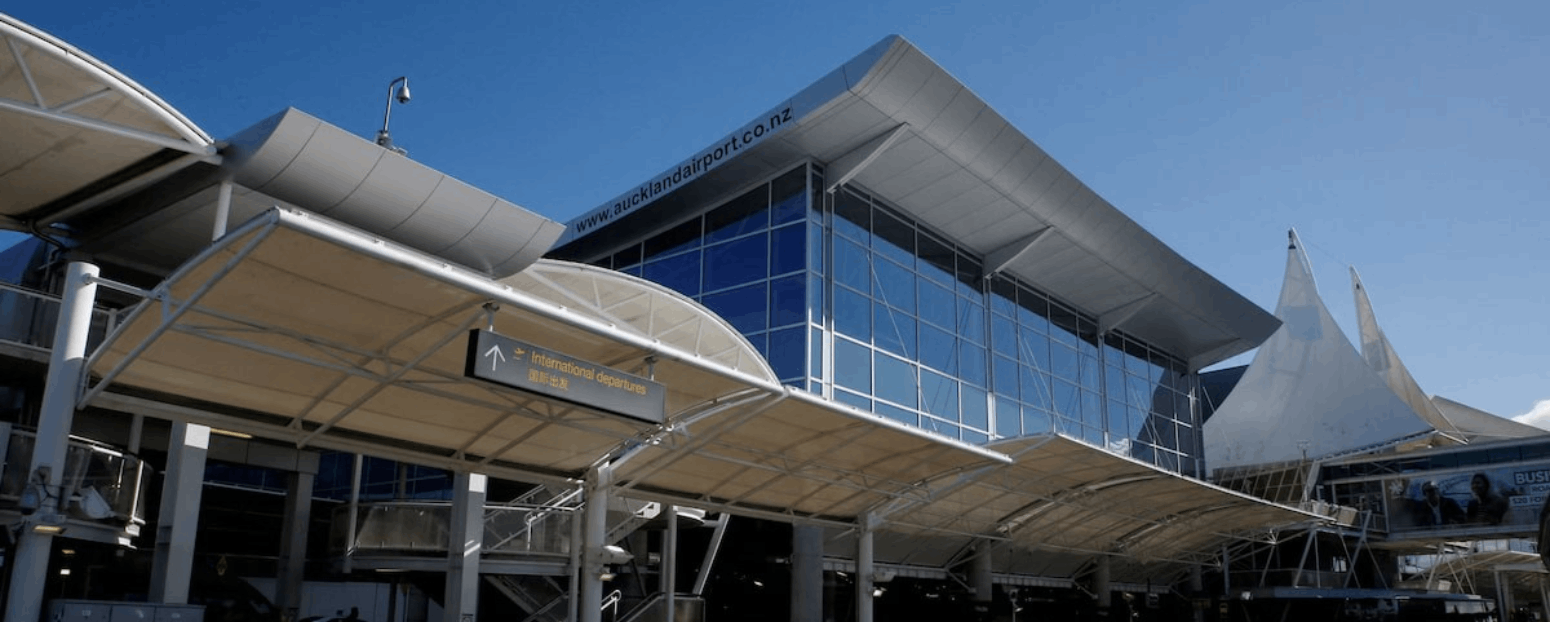
Auckland Airport entered 2025 with a sense of momentum. International travel has settled into a steady rhythm again and airlines have been confident enough to stretch their wings in ways that seemed unlikely only a few years ago. New aircraft types, revived long haul services and strong growth across the Asia Pacific region have brought fresh energy to the airport.
For travellers, it has meant more choice, better schedules and easier links across the world. For aviation watchers, it has been one of the most interesting years in recent memory.
For Flyaway.co.nz, the steady rise in passenger traffic has been felt in a very real way. More flights mean more cars, more holidaymakers and more Aucklanders needing a reliable place to park while avoiding the ongoing airport roadworks that continue to slow travel around the terminals. As the airport grows and changes, the need for smooth journeys from driveway to departure gate has only become more important.
This is a look back at the stories, announcements and surprises that shaped Auckland Airport in 2025.
Aviation confidence returns
The start of the year signalled a return to strong passenger numbers. Airlines have pushed capacity up across almost every major route in and out of Auckland. After several years of careful planning around fleet availability, crew and fuel efficiency, carriers have been willing to place their newest and largest aircraft back on New Zealand services.
Auckland Airport reported that by late summer, passenger movements were tracking ahead of forecasts. Flights to North America, Asia and Australia led the growth. For Flyaway.co.nz, these trends lined up with a rise in demand for long stay parking as Kiwi travellers again committed to multi-week trips to Europe, Canada and the United States.
North America takes centre stage
The busiest long haul news of 2025 came from the United States and Canada. Air New Zealand, American Airlines and United continued to push for stronger positions in the Pacific, each attacking the market in their own way.
Air New Zealand’s focus on North America
Air New Zealand expanded its schedule into Los Angeles and restarted its Chicago service after a pause. The Chicago route, which had quiet supporters within the aviation community, returned with a renewed timetable that better suited connections deeper into the United States. The airline also confirmed higher frequencies into Houston, creating smoother links for Kiwis heading toward New York, Florida and the southern states.
These improvements were a welcome change for travellers. Long gone are the days of one or two dependable North American options. With more seats and more flexibility, Aucklanders found it easier to plan travel around school holidays, concerts, sports events and work commitments.
United widens its footprint
United increased seats into San Francisco and added supplementary flights during peak travel periods. The airline held strong throughout the year with its Boeing 787 fleet, and industry observers continued to wonder whether an Auckland to Denver service might appear in years to come. United has not confirmed anything, but the speculation keeps aviation forums buzzing.
American Airlines strengthens Dallas
American Airlines again committed to the key Dallas route, one of the most important long haul connections for New Zealand. The strong connection network across the southern United States, Mexico and the Caribbean makes Dallas an attractive hub for Kiwis chasing sun, shopping or onward links to Latin America.
Travellers using Flyaway.co.nz often mention Dallas when they leave their cars before heading off. It has become a dependable choice for families and business travellers who want one stop between Auckland and almost anywhere on the East Coast of the United States.
Asia pushes forward with new options and familiar favourites
If North America brought scale, Asia delivered variety. Auckland Airport has seen a steady expansion into several major Asian cities, bringing more tourism and more convenient connections.
Singapore remains a powerhouse
Singapore Airlines has held its strong presence with double daily flights across much of the year. The 2025 schedule allowed for smoother onward travel to Europe and wider Asia, making it one of the most reliable ways for New Zealanders to reach the northern hemisphere.
The airline also increased cargo space on certain flights, which helped local exporters stabilise supply chains after several disrupted years.
Taiwan and Hong Kong revive long haul appetite
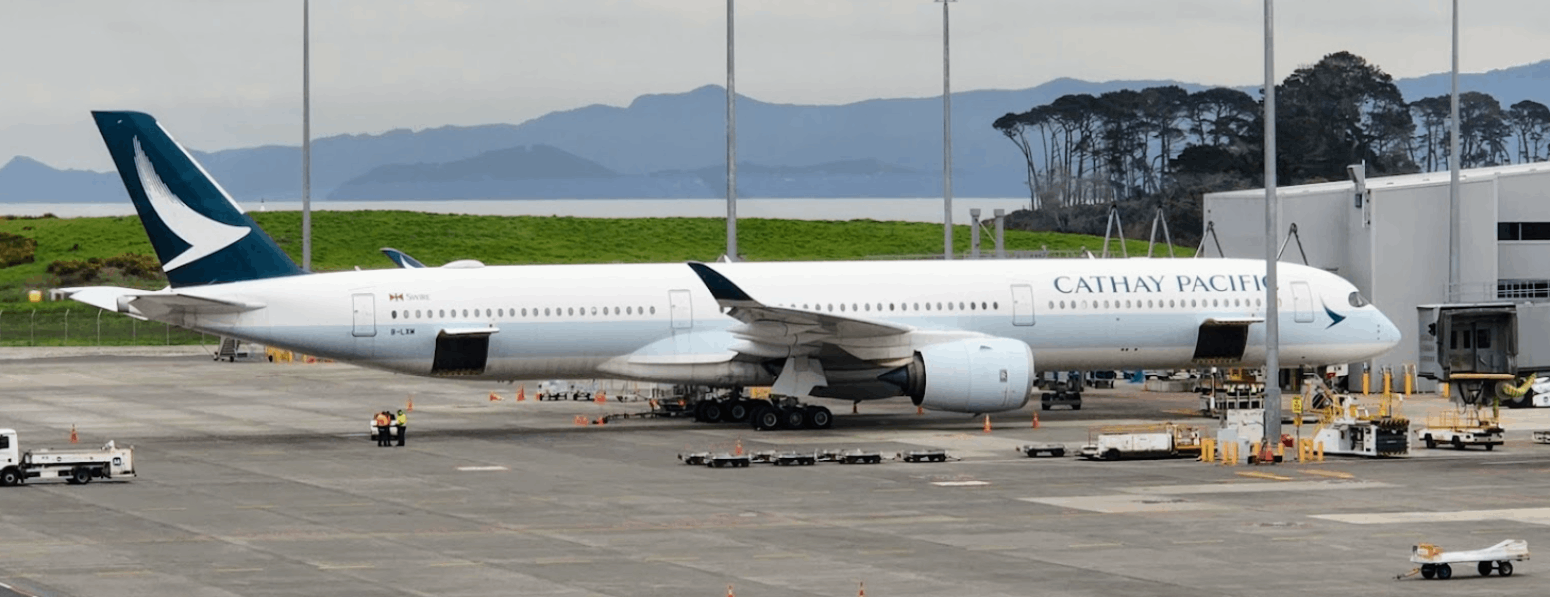
EVA Air continued operating its Auckland service, earning praise from passengers for comfort and reliability. Cathay Pacific increased flights through Hong Kong and positioned itself again as a major player for both corporate travel and holidaymakers heading into China, Japan and Southeast Asia.
Japan rises again
The Tokyo service remained consistently strong across 2025. Tourism interest between Japan and New Zealand has grown in both directions, helped by a healthy yen for travellers and a renewed appetite for cultural and food-focused itineraries. Ski traffic into Hokkaido surged again, and Auckland Airport’s winter departures often included groups heading for cold weather escapes.
Flyaway.co.nz also felt the seasonal demand, with many families flying out for school holiday ski trips and leaving their vehicles for extended stays.
Australia strengthens trans-Tasman movement
While long haul travel attracts headlines, the most consistent growth continues to come from Australia. Sydney remained the busiest international route, but Melbourne and Brisbane also saw steady gains. Jetstar and Qantas maintained strong loads on almost every service, with Air New Zealand increasing flights during peak periods.
What made 2025 notable was the gradual smoothing of schedules across the day. Airlines spread capacity more evenly, which relieved pressure at peak airport times. Anyone departing early morning or late afternoon could feel the difference.
This also meant that parking demand at Flyaway.co.nz spread more evenly across the week, reducing pressure during traditional surge hours.
New aircraft types arrive and turn heads
Aviation enthusiasts had plenty to enjoy in 2025. Auckland Airport welcomed a range of new aircraft types that signalled the global fleet renewal underway.
Qatar brings the A350-1000
Qatar Airways reinstated its A350-1000 into Auckland, one of the most efficient long haul aircraft in the world. This was a milestone for both the airline and passengers looking for quieter cabins and better fuel efficiency. The route into Doha remains one of the longest in Qatar’s network and has become a favourite among travellers heading to Europe, Africa and the Middle East.
Air New Zealand’s 787-9 updates
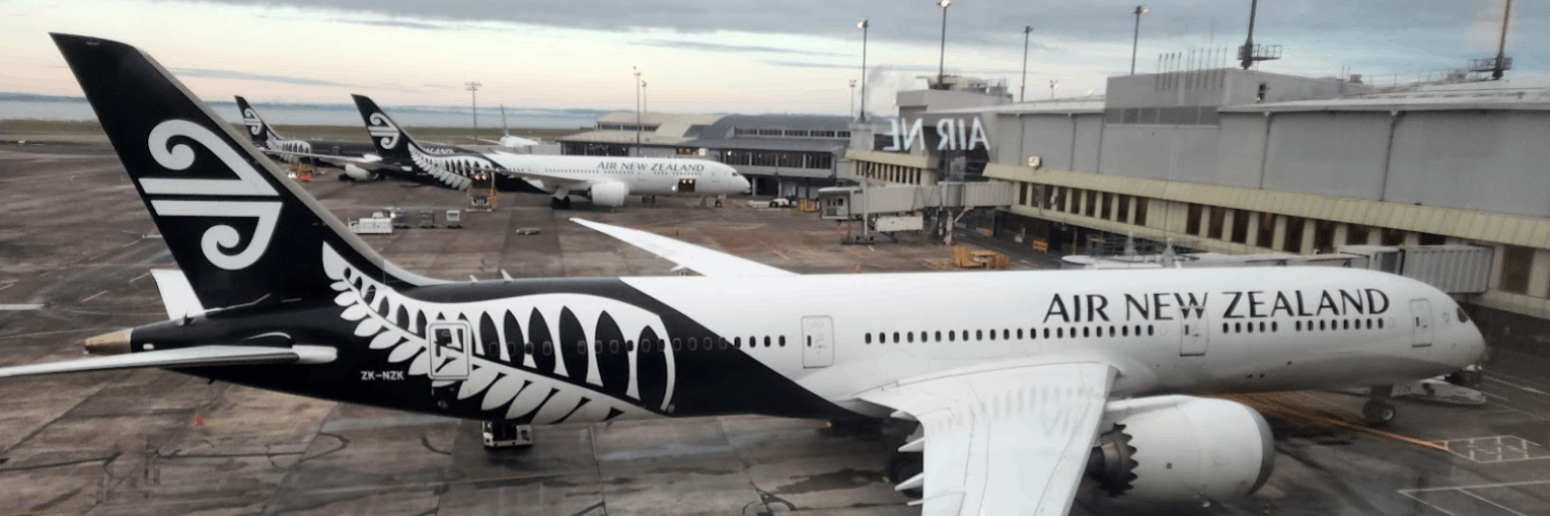
Air New Zealand continued rolling out refreshed cabins on its 787-9 aircraft. The updated seating, storage and inflight technology drew praise from passengers. The changes may seem subtle, but on 12-hour flights into Asia or 13-hour services into North America, every improvement matters.
Emirates and the steady A380
The Emirates A380 continued to draw attention, especially during peak travel seasons. The aircraft’s scale, with its two full decks and well-regarded premium cabins, remains unmatched. There were rumours of capacity increases during the southern summer, but nothing official has been confirmed. Even so, the A380 remains a welcome sight on the Auckland apron.
Terminal works continue to reshape the airport
Major construction continued throughout 2025, with the Inner Terminal Road project being the most visible change for most travellers. The work has been unavoidable, but necessary to modernise the airport’s layout and future proof its infrastructure.
Pedestrian crossing upgrades, shuttle zones, flood protection works and new forecourt design occupied much of the year. While progress is steady, the construction zones have created delays around drop-off and pick-up points, especially during the morning peak.
Flyaway.co.nz has stepped in as a practical alternative for those wanting to avoid this congestion. Airport customers often comment that using the park and ride service actually adds certainty to their journey, as timing is predictable even when the roads around the terminal are not.
Technology improvements across the airport
Auckland Airport continued improving its digital wayfinding tools and processing times through better queue management. Smart gates operated more consistently, and baggage handling saw efficiency gains during the busiest months.
These may not sound exciting, but travellers noticed the difference. Reduced queues, smoother flows and clearer instructions all contribute to a calmer airport experience. For families travelling with young children, that matters.
The continued rise of short breaks and weekend travel
One of the standout stories of 2025 has been the growth of short break travel. Aucklanders have embraced weekend flights to Melbourne for sport, Brisbane for theme parks, Queensland beaches for sunshine or Sydney for concerts and shopping.
More frequent departures across the week make these trips possible. Many of these travellers choose Flyaway.co.nz because quick trips often require a simple, cost-effective park and ride option that avoids the higher costs of on-site parking.
Short trips became a surprising highlight of the year and show no sign of slowing.
Tourism rebounds strongly
Inbound tourism has strengthened, with particular growth from the United States, Singapore, Japan and Australia. Auckland Airport noted that travellers increasingly arrive with clear itineraries that include both the city and the regions.
This aligns with broader industry observations that tourists are looking for fewer countries per trip but deeper experiences within each location. Auckland and the upper North Island have benefited, with Rotorua, the Bay of Islands, Coromandel and Waikato all drawing consistent international interest.
Smooth transport is a valuable part of this equation. Airport transfers, shuttle services and reliable parking options help visitors maintain control over their travel plans. Flyaway.co.nz has seen more international travellers booking ahead to ensure their vehicles are safe while they explore.
A growing focus on customer experience
Airlines and the airport have continued investing in comfort, reliability and consistency. Lounge refurbishments, food and beverage improvements, better retail options and more comfortable seating in waiting areas all contributed to a stronger passenger experience.
Several carriers also expanded their local staff numbers, improving service quality and operational resilience.
Travellers have become more selective and more vocal about their experiences. Airlines have responded with cleaner cabins, improved communication during delays and more thoughtful inflight service design.
Looking ahead to 2026
With the progress made through 2025, Auckland Airport is well positioned for another strong year. Rumours continue about potential new routes into India, more frequency into North America and opportunities for deeper links across South America.
Auckland remains an attractive destination for airlines looking to expand their Asia Pacific network. As fleet upgrades continue, and more long range aircraft become available globally, Auckland’s location becomes less of a barrier and more of an advantage.
Infrastructure works will continue, but improvements will gradually ease pressure on the ground transport network. When these upgrades are complete, the airport will be better suited for the projected passenger growth of the next decade.
Flyaway.co.nz will continue playing a central role in helping travellers navigate the airport precinct while avoiding congestion. As the terminal area changes, having a secure, predictable parking option becomes even more valuable.
A year defined by movement and progress
Auckland Airport in 2025 has been a story of steady growth, renewed confidence and travellers rediscovering the joy of planning adventures. Airlines have invested in capacity and brought back routes that connect New Zealand with the world. New aircraft types, stronger schedules and more frequent services have given passengers better choice than we have seen in many years.
The continued redevelopment of the airport shows a commitment to meeting future demand. While roadworks and construction have created temporary challenges, they are steps toward a more resilient and modern airport.
Flyaway.co.nz has been part of this journey, helping travellers move smoothly around the disruption and giving them a reliable place to park before heading off on long awaited holidays or important work trips.
As 2026 approaches, Auckland Airport stands as one of the most dynamic and interesting aviation hubs in the region. The coming year will bring new routes, new stories and new possibilities.
For now, 2025 can be remembered as the year Auckland Airport felt truly alive again.